
For decades, the “African look” was often relegated to the categories of “traditional attire” or “ceremonial costume.” To the global eye and even to many on the continent items like the towering gele or intricate coral beads were reserved for weddings, funerals, and coronations. Adire was what your stylish aunt wore to church or to an art exhibition. Waist beads were hidden beneath clothing. Raffia bags were souvenirs from holiday markets. Cowrie shells appeared mostly in museums, costume parties, or historical photographs. Somewhere along the way, we accepted that African craftsmanship belonged to “special occasions.” Western fashion dictated what counted as modern. Minimal gold jewellery was chic. Leather handbags were timeless. Silk scarves were elegant. Then a new generation decided otherwise.
When Ayra Starr stepped into a club wearing a sculptural gele during the rollout for her Starr Girl album, the internet did what it always does—it stared. The gele wasn’t paired with iro and buba or lace. It was styled like a fashion accessory, sitting comfortably on her tight mini dress and alongside the contemporary style of nightlife. It felt unexpected but somehow completely natural.

That single image reflects a much bigger shift happening across Africa and its diaspora. Designers, stylists, musicians and everyday women are no longer treating African adornments as cultural relics to be preserved only for ceremonies. Instead, they are reimagining them as part of daily style. The result isn’t a return to tradition. It’s something far more interesting: a reinvention.
Across Lagos, Nairobi, Johannesburg, Accra and beyond, heritage pieces are being styled with denim, tailored suits, sneakers and slip dresses. Here are ten African adornments reinventing the pulse of everyday fashion.
Gele Is Becoming a Fashion Statement
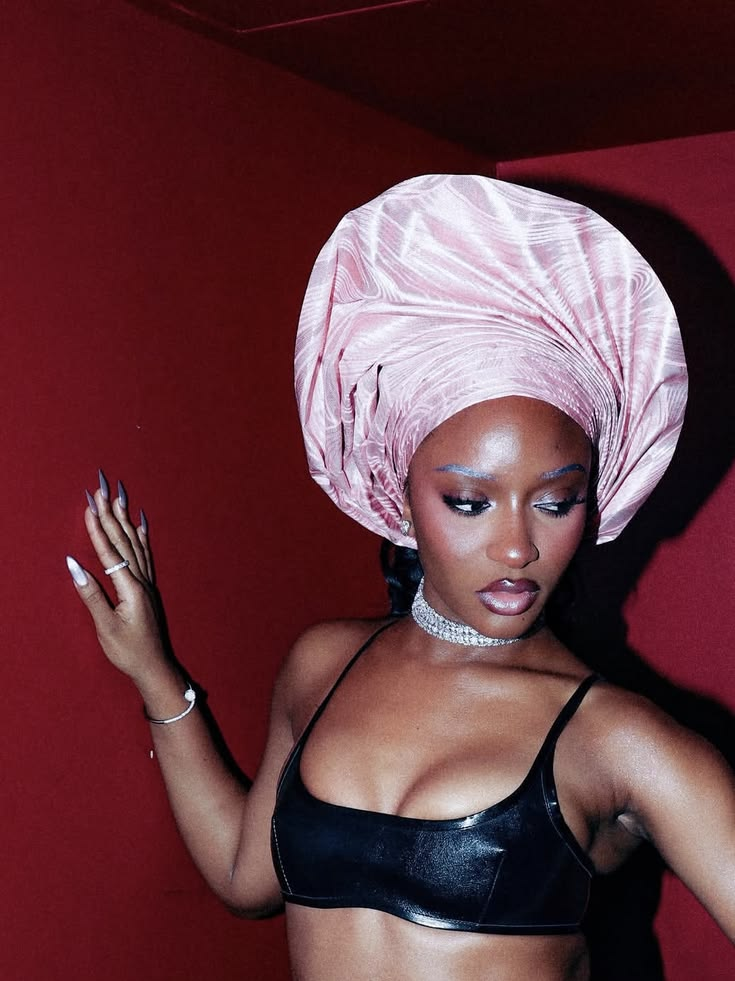
Perhaps no accessory symbolises occasion dressing quite like the gele. For years, wearing one automatically suggested a wedding, thanksgiving service or elaborate family celebration. But younger women have begun treating it differently—not as a ceremonial obligation but as wearable sculpture. Ayra Starr’s styling proved that a gele doesn’t need lace fabric and matching accessories to make sense. Styled with contemporary clothing, it becomes the outfit’s focal point instead of its traditional finishing touch.
Imagine miniature geles for dinner dates. Soft linen geles worn with oversized shirts. Metallic geles paired with monochrome evening wear. Can you see the vision?
Coral Beads Are Leaving the Palace

For centuries, coral beads have carried immense cultural significance among the Edo people, symbolising royalty, prestige and identity. Today, younger Nigerians are discovering that cultural meaning doesn’t disappear simply because styling evolves. Instead of wearing full ceremonial bead regalia, many are opting for: layered coral necklace with a shirt, stacked coral bracelets with denim, coral earrings paired with dresses. The pieces retain their heritage while becoming surprisingly versatile.
Cowrie Shells Are Having Their Fashion Renaissance
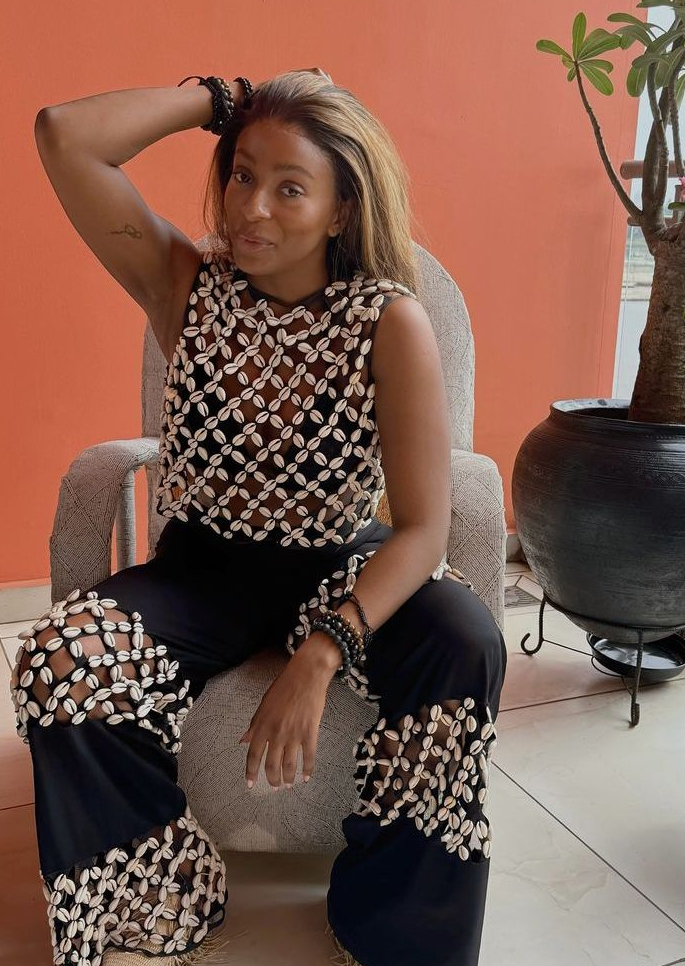
Cowrie shells have travelled an extraordinary journey. They have been currency, spiritual symbols, protective objects and decorative art across different African societies. Today they’re appearing on clothes, earrings, handbags, sandals, belts and layered necklaces.
Adire Is Now Mainstream
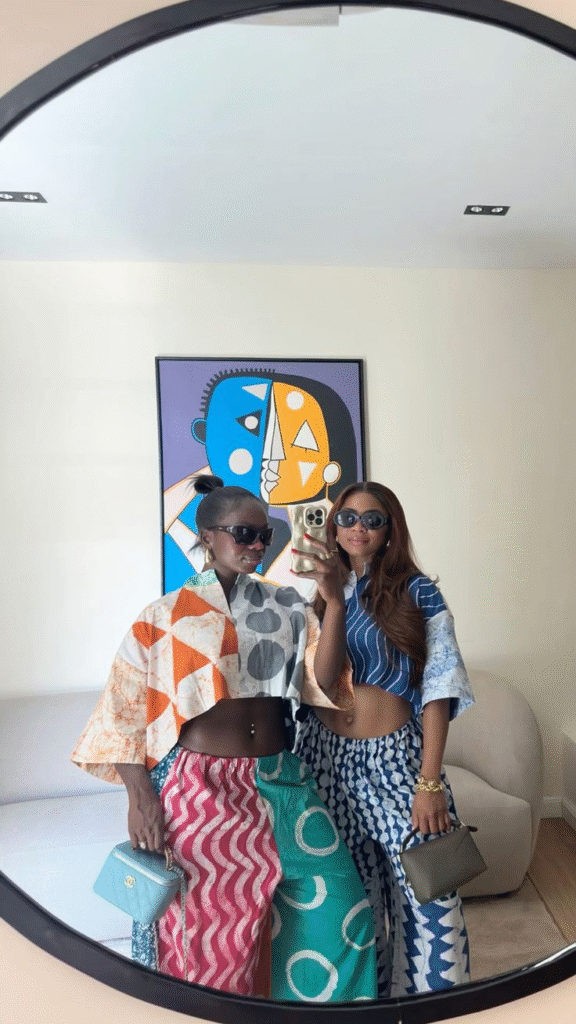
Few fabrics have experienced a transformation quite like adire. Once associated primarily with older generations, artisan markets and cultural festivals, indigo-dyed fabric now occupies an entirely different cultural space. Much of this renewed excitement can be credited to brands like Dye Lab, whose modern tailoring, vibrant colour palettes and contemporary silhouettes introduced adire to younger consumers who may never have considered wearing it before. Today, adire appears as: oversized shirts, matching co-ord sets, wide-leg trousers, bomber jackets, corsets, bucket hats, sneakers and handbags
Aso-Oke Is Becoming More Than Wedding Fabric

If adire became casual, aso-oke is becoming luxurious in entirely new ways. Rather than reserving it exclusively for agbadas and wedding outfits, designers are transforming the handwoven textile into: handbags, suit dresses, jackets, trousers, earrings, etc. Aso-oke carries texture unlike almost any other fabric. That richness allows even the smallest accessory to become a conversation piece.
Waist Beads Are Finally Being Seen
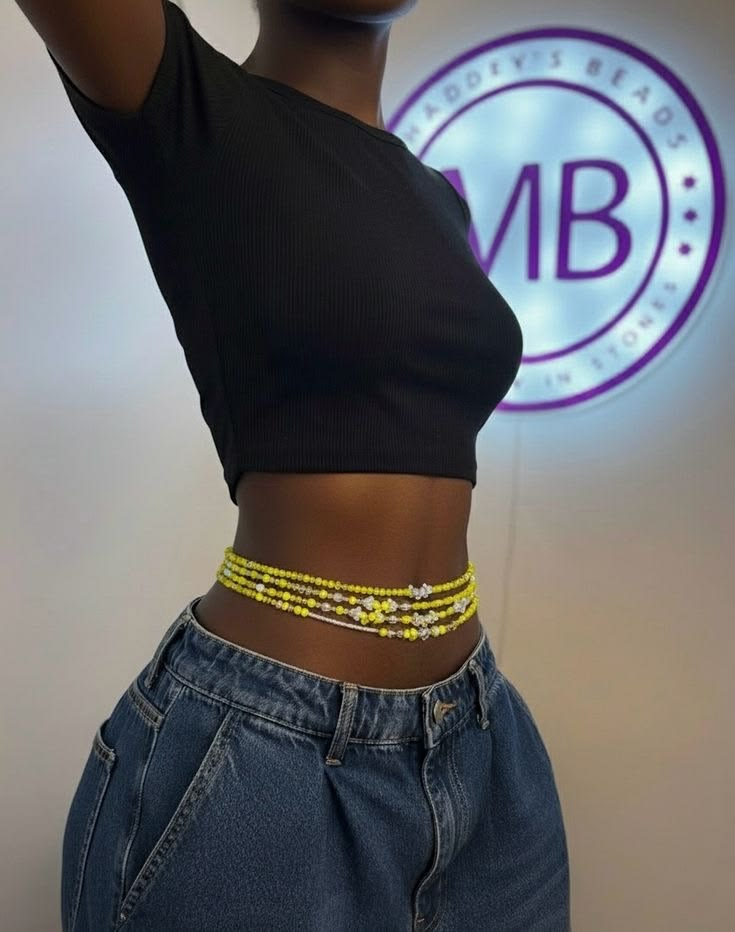
For generations, waist beads have existed beneath clothing. They’ve symbolised femininity, sensuality, fertility, spirituality, body awareness and personal expression depending on the community and wearer. Today, some women are choosing to make them visible. Low-rise trousers, crop tops and beachwear have created opportunities for waist beads to become intentional styling elements rather than hidden adornments. They’re also increasingly personalised with crystals, gemstones and charms, making every strand unique.
Brass Is Back And Bigger Than Ever
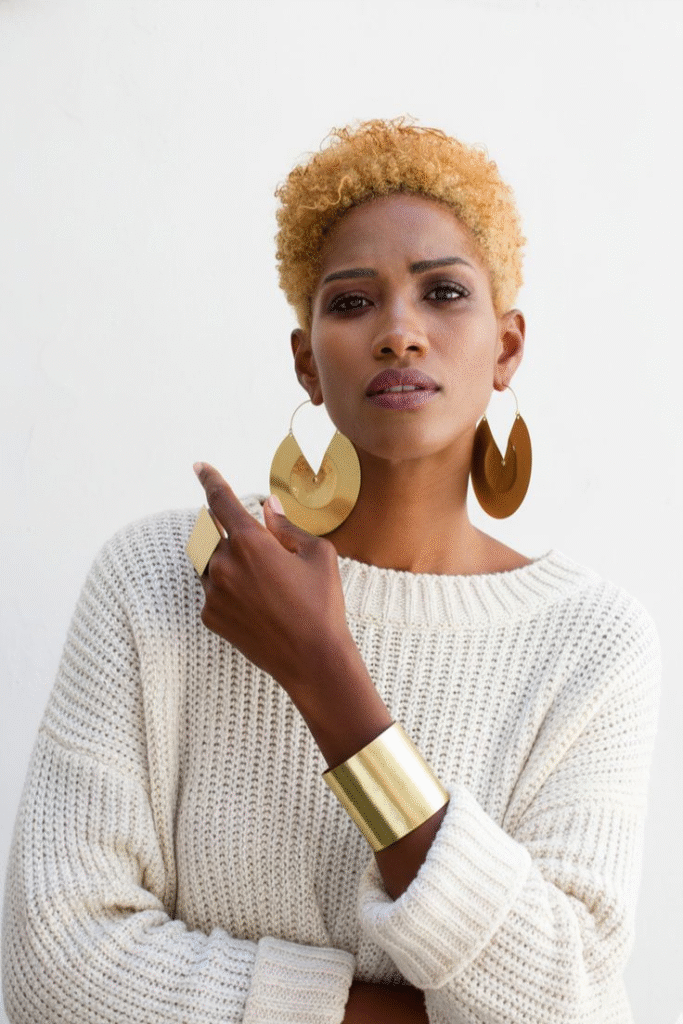
Minimal jewellery may dominate global trends. African fashion, however, has always understood the power of making an entrance. Oversized brass cuffs. Wide bangles. Statement chokers. Hammered necklaces. Sculptural earrings. Across the continent, bold brass jewellery is finding new life because it communicates something increasingly valuable in fashion: personality. You don’t forget someone wearing a magnificent brass cuff.
The Rise of the Beaded Bag
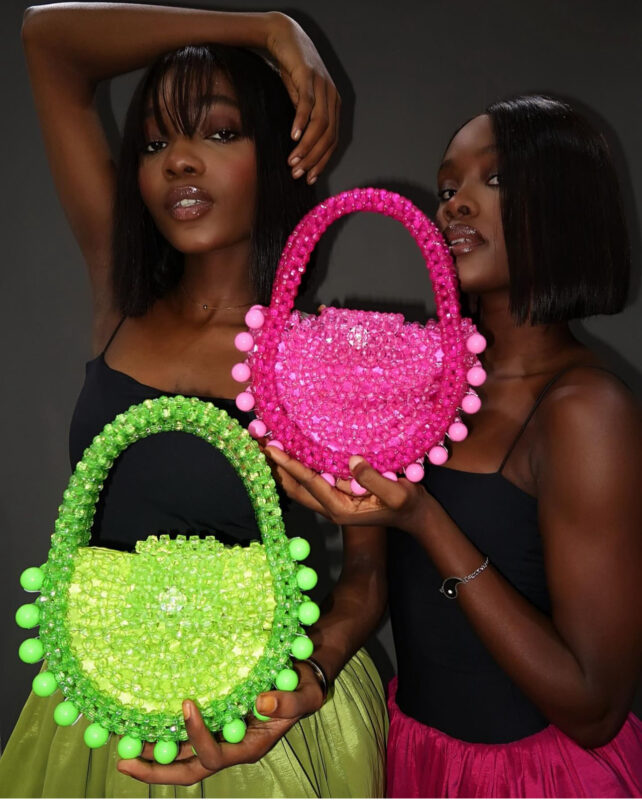
If there’s one accessory Nigerian designers have completely reinvented, it’s the beaded bag. What was once seen as a tourist souvenir or a traditional craft piece has evolved into one of the most exciting accessories in contemporary African fashion. They now come in countless shapes and silhouettes—from structured top-handle bags and mini purses to sculptural clutches and playful novelty designs. The beadwork itself has evolved too, with different bead sizes, colours, textures and intricate patterns turning each bag into a wearable work of art. Whether paired with jeans and a white shirt or styled with an evening dress, a beaded bag instantly transforms a simple outfit into a memorable one.
Zulu Beadwork Is Crossing Borders

Traditional Zulu people beadwork has long communicated identity, status and even messages of love through intricate colour combinations. Today, those same geometric patterns are inspiring earrings, necklaces, cuffs and handbags worn far beyond Southern Africa. Rather than copying tradition exactly, contemporary designers reinterpret the craftsmanship while acknowledging its origins.
Raffia Is No Longer Just for the Beach
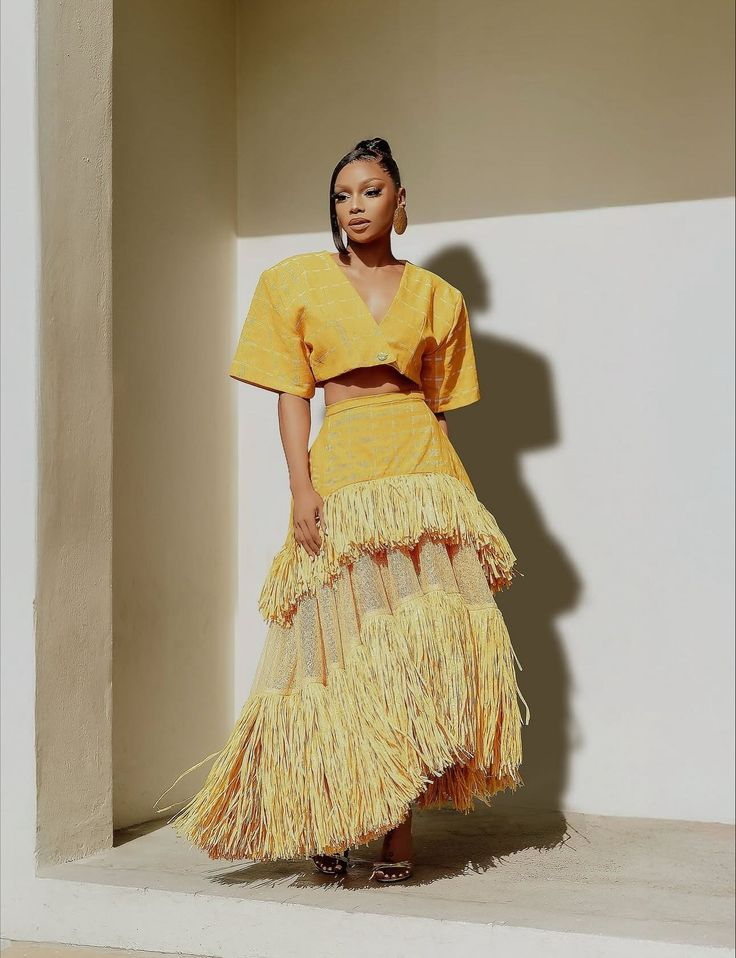
Finally, the humble raffia—a fiber from palm leaves—is having a high-fashion moment. What was once used for baskets and mats is now being transformed into avant-garde dresses, handbags, fringed earrings, and even shoes. Raffia’s organic texture provides a necessary earthiness to the synthetic slickness of modern fashion, grounding the wearer in the natural world.
Its natural texture pairs beautifully with linen, cotton and denim, making it one of the easiest African materials to incorporate into everyday wardrobes.
Fashion That Carries Memory
The most exciting thing about this movement isn’t that African adornments are becoming fashionable. It’s that they’re becoming normal. Young women no longer feel they have to choose between looking contemporary and looking African. The two identities are no longer in conflict. A woman can wear coral beads to brunch, adire to work, raffia earrings on vacation, waist beads because she loves them, and a gele to a nightclub simply because it makes her feel beautiful. In doing so, she isn’t abandoning tradition or preserving it behind glass. She’s allowing it to live. Because culture survives not only through ceremonies and museums, but through ordinary Tuesdays, coffee dates, office meetings, concerts and nights out with friends. Perhaps the future of African fashion isn’t about inventing something entirely new. Perhaps it’s about remembering what has always been ours—and wearing it wherever life takes us.