
Trigger Warning: This article contains a link to graphic video footage depicting murder.
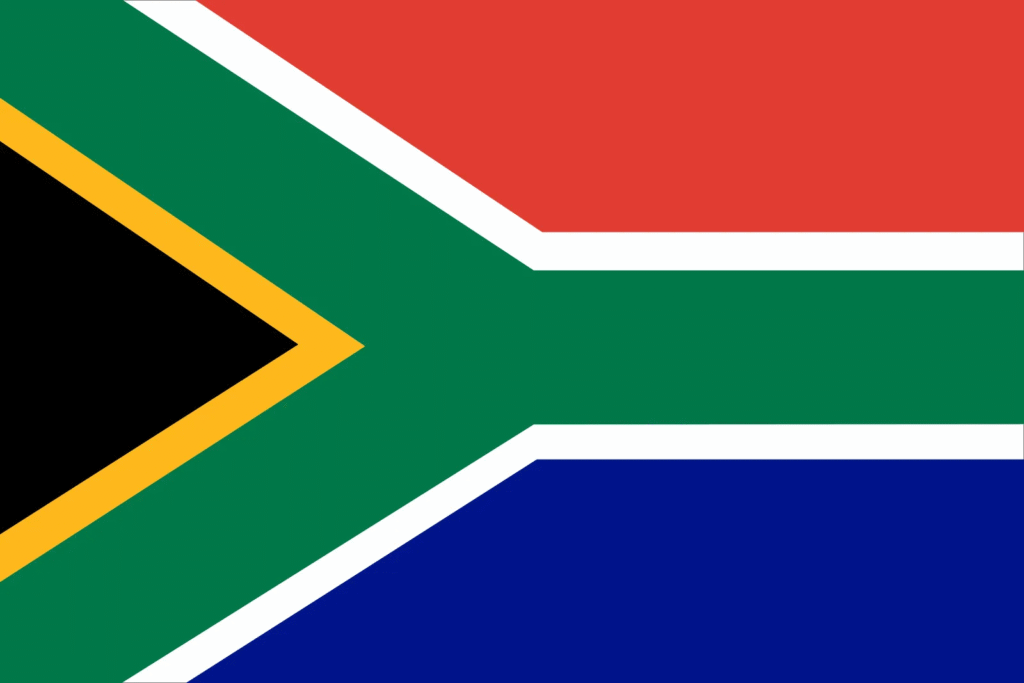
The promise of the Rainbow Nation, a sanctuary of diversity and Pan-African unity, is currently under severe strain.
In recent days, South Africa has been rocked by a disturbing resurgence of xenophobic violence and systemic exclusion, leaving the migrant community, particularly Nigerians, living in a state of constant terror. What was once dismissed as sporadic protests has morphed into a targeted, organized campaign of violence, economic sabotage, and alleged state-sponsored brutality.
A Grim Toll: The Killing of Nigerian Nationals
The most harrowing development in this latest wave of unrest is the killing of foreigners. Reports from the Nigerian Consulate have sent shockwaves across the continent. Ms. Okey-Uche, the Nigerian Consul-General, recently disclosed the tragic deaths of two Nigerians at the hands of those sworn to uphold the law.
The first victim, a man identified as Mr. Andrew, was found dead in the Pretoria Central Mortuary on April 19, days after being arrested after an altercation with the Tshwane Metro Police in Pretoria.The second victim succumbed to his injuries on April 20, following a brutal assault allegedly perpetrated by members of the South African National Defence Force (SANDF) in Port Elizabeth.
These deaths go beyond isolated incidents of mob justice, they represent a terrifying escalation where state operatives are accused of using lethal force against African migrants. Our Nigerian diplomatic mission has expressed profound shock, calling for immediate investigations into these extrajudicial killings. Yet, the probelm still persists.
Worse still, South African Xenophobes, citizens, not only armed forces, are murdering foreigners in broad daylight. A recent video surfaced of a South African Citizen shooting an Ethiopian Man in what appears to be a marketplace during the day
Beyond Violence: The Strategy of Exclusion
While physical violence remains a constant threat, a more insidious form of xenophobia is taking root: systemic exclusion. In a video making the rounds on the internet, a South African goes into a hospital and demands that non-South African citizen leave the hospital.
Furthermore, public spaces are becoming battlegrounds. In several communities, reports have surfaced of self-appointed vigilante groups preventing African migrant children from attending school, and demanding they “go back to their countries”.
Education, a fundamental human right, is being weaponized to force families to flee. In some instances, tourists and legal residents are being harassed in public parks and squares, effectively turning the country into a “no-go zone” for other Africans.
Economic Sabotage and Social Resentment
The movement has also taken an economic turn. Reports indicate that local South African groups have summoned shop owners of Chinese, Indian, Pakistani, and Bangladeshi descent to “meetings.” The ultimatum is clear: dismiss all African migrant workers and prioritize the hiring of locals, or face the consequences. This attempt to starve the migrant community of their livelihoods is a calculated effort to force them out of the country through economic attrition. Another video shows a South African xenophobe requiring all South African women married to Nigerians to leave with their husbands and children.
The rhetoric driving these actions is often grounded in misplaced resentment. One viral video captures a man expressing anger because “our girls are sleeping with foreigners.” This intersection of xenophobia and patriarchal entitlement highlights the irrationality of the movement—where human beings are treated as property and the foreigner is blamed for complex social issues.
The Rise of the Citizen Police
Perhaps most concerning is the normalization of vigilantism. Ordinary citizens have been filmed stopping individuals on the street to demand their identification papers—a task that legally belongs solely to the Department of Home Affairs and the police. By usurping the role of security operatives, these groups are creating a climate of lawlessness where any “foreign-looking” person can be accosted, searched, or assaulted without provocation.
A Call for Urgent Intervention
The current situation in South Africa is a humanitarian crisis that threatens the stability of regional relations. The African Union (AU) can no longer remain silent. The South African government must move beyond rhetoric and take decisive action to hold both vigilantes and rogue security personnel accountable.
If the killing of migrants, the barring of children from schools, and the intimidation of businesses continue unchecked, the dream of an integrated Africa will be replaced by a legacy of blood and division. South Africa stands at a crossroads: it must either choose to uphold the human rights of all who live within its borders or risk becoming a pariah on the continent it once led toward liberation.
The Foreign Policy Of Nigeria In The Mud

In the face of this carnage, what is the Nigerian government doing? For years, Nigerians have complained that our foreign policy under the current regime is reactive, weak, and utterly devoid of teeth.
While South Africans are bold enough to kill our citizens and even voice absurd grievances—like the viral video of a man claiming “our girls are sleeping with foreigners” as a justification for violence—Nigeria responds with “strong words” and “calls for investigation.”
Where is the diplomatic reciprocity? Where are the sanctions? Where is the protection for the diaspora that pumps billions of dollars back into the Nigerian economy every year? A government that cannot protect its citizens abroad, or at the very least make the cost of killing them too high to bear, has failed its primary duty.
Our foreign policy has been reduced to a series of photo-ops at international summits while the actual “Black Power” we claim to wield is nowhere to be found. We have become the continent’s punching bag because everyone knows that when a Nigerian is killed in the diaspora, the Nigerian government will do nothing but wait for the news cycle to pass.
Enough is Enough
The South African government’s failure to arrest the leaders of these xenophobic movements is a choice. Similarly, the Nigerian government’s failure to demand immediate, high-level accountability is a choice.
We cannot continue to preach Pan-Africanism while one side is holding a knife and the other is holding a funeral. If South Africa no longer wants us there, and if their state forces are going to lead the charge in killing us, then Nigeria must move beyond our “talk talk” diplomacy. It is time to demand more than just apologies; we must demand justice for the dead and safety for the living.
Until Nigeria realizes that diplomacy without consequences is just noise, the bodies of our brothers in the Pretoria mortuary will not be the last.