
We spent our childhoods begging for “big girl hair,” only to grow up and realise the styles we once hated were quietly iconic all along.
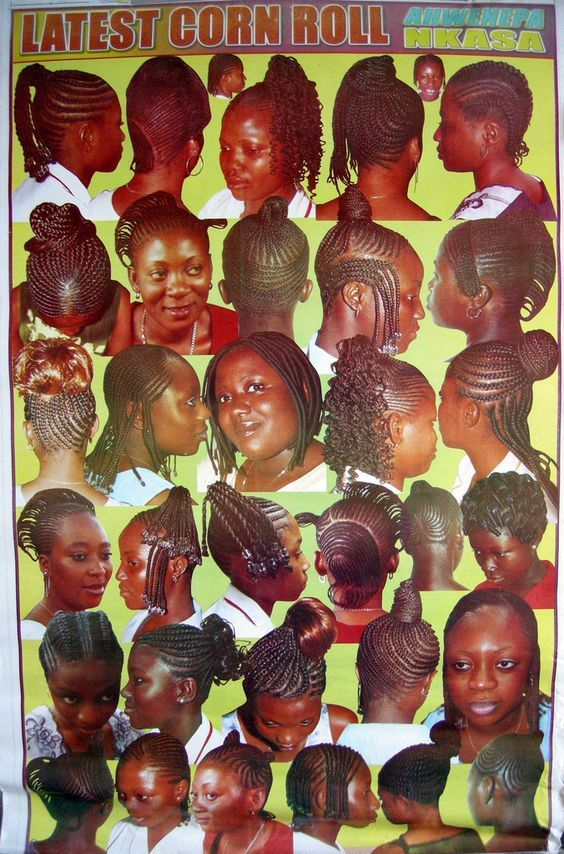
If you grew up in a Nigerian household, Sunday evenings carried a very particular tension. There was the smell of freshly washed uniforms drying somewhere in the house, a pot of stew or soup simmering in the kitchen, and the unmistakable scent of hair cream—Soulmate, Dax, or Shea Butter (Ori, Ekume)—floating through the air like an omen. Sunday was hair day.
Hair day meant sitting between your mother’s knees or, if your family outsourced your suffering to a hair stylist nearby, on a low plastic stool—while they transformed your scalp into architecture in preparation for school. And it hurt. Physically, yes (hello tender scalped kids!). Emotionally, yes (the constant dread of hair day). And also in another often overlooked way— Existentially. We spent entire childhoods mourning these hairstyles we believed stood between us and glamour. We wanted the glossy weaves worn by the big girls at church, the soft synthetic curls we saw on TV presenters, the kind of hair that moved when you turned your head. We certainly did not want Shuku. Or Patewo. Or those painfully neat cornrows that made smiling feel medically impossible.
Back then, these styles felt deeply unfair. Too tight. Too “childish.” Too local. But somewhere between growing up, reconnecting with ourselves, and collectively deciding that Nigerian culture and aesthetics were worth celebrating instead of escaping, something shifted.
The same hairstyles we spent years avoiding are now mood-board material. Fashion girls are wearing them to brunch in Lekki. Beauty editors are calling them sculptural. International runways are borrowing what Nigerian mothers perfected decades ago with little more than thread, attachment, and determination.
In other words: our mothers were right.
Here are the Nigerian hairstyles we hated growing up—but now willingly screenshot, save, and take straight to the salon.
Shuku
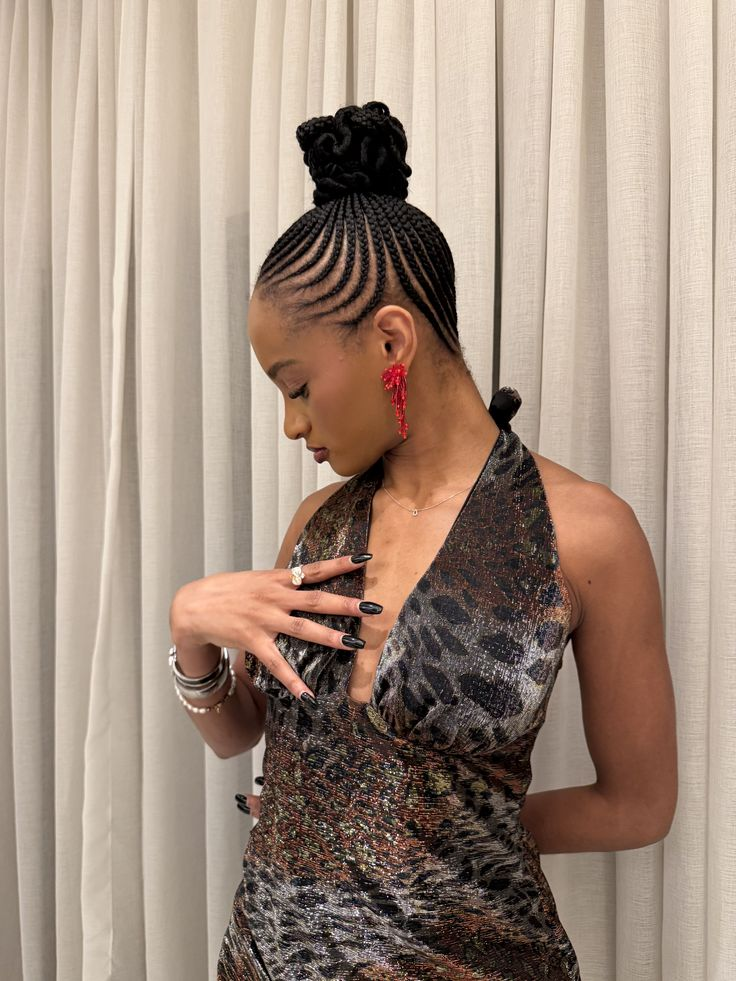
Once upon a time, Shuku felt like punishment disguised as grooming. Adults insisted it would “brighten your face”—a suspicious phrase that, in retrospect, mostly meant your forehead would be fully exposed and your scalp stretched to its engineering limits. The higher the bun, the greater the suffering. Bonus points if your eyes remained permanently widened for forty-eight hours.
Yet somehow, Shuku has become impossibly chic. What we once dismissed as “schoolgirl hair” now feels architectural, elegant, and quietly expensive. In an era obsessed with the clean girl aesthetic, Shuku delivers exactly that: structure, drama, and effortless polish.
Patewo
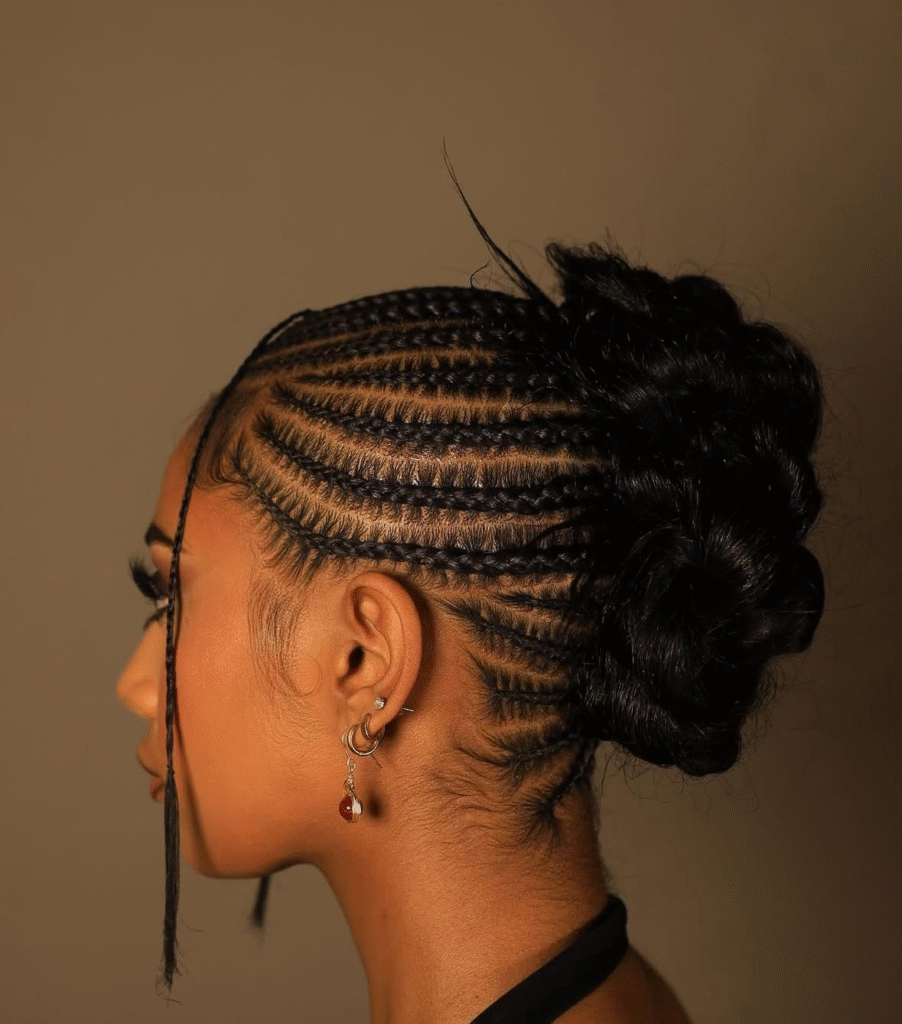
Patewo suffered from a branding issue. As children, it felt deeply serious. It lacked flair and movement, plus it felt like a hairstyle we would see on the village maiden in the nollywood film we rented. But adulthood has taught us something: Patewo was never boring. It was precision. The clean lines. The geometry. The almost sculptural quality of the braid pattern. Suddenly, what once felt ordinary now feels editorial. Especially in its modern incarnations—the Patewo-base hybrids that feel equal parts futuristic and deeply Nigerian.
Irun Kiko
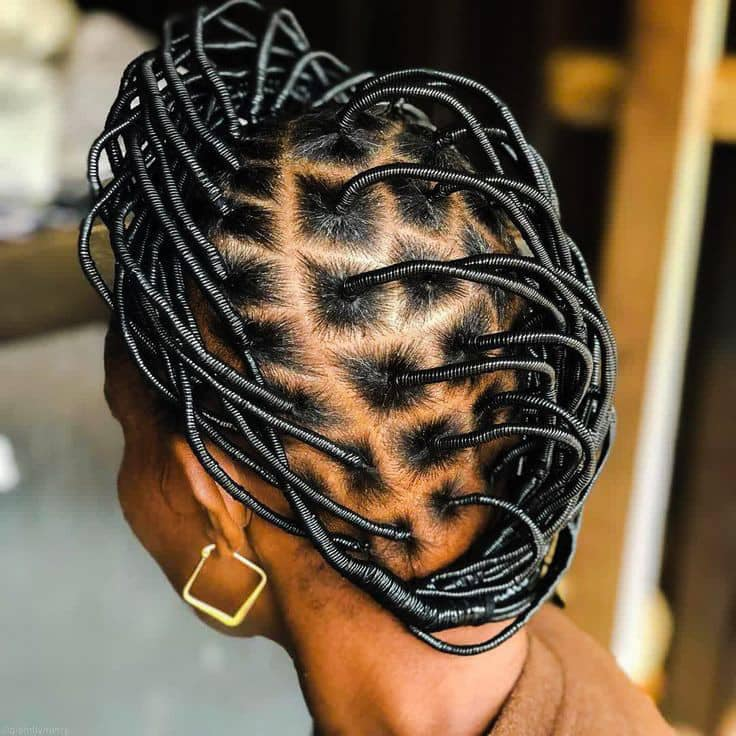
Irun kiko is a Yoruba phrase meaning “gathering hair”. Some of us may call it Thread. No hairstyle suffered playground bullying quite like this one The teasing was relentless as the thread stood tall and unapologetic, and for many of us, that felt unbearable at thirteen. Most of us only loved it in the privacy of our homes where we put it on briefly to grow our hair.
Now? It feels revolutionary. What we once viewed as awkward has become one of the most visually striking expressions of African beauty.
All Back
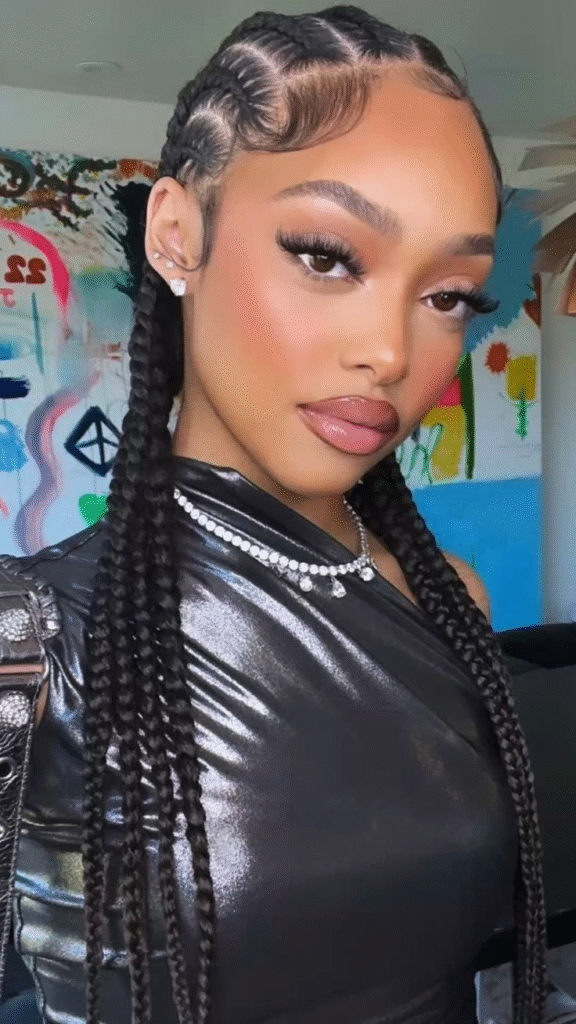
All Back was the hairstyle you got when school resumed too quickly or when your mother was “not in the mood for stress.” Functional. Predictable. Mildly disappointing. But somewhere along the way, All Back became straight backs, and suddenly everyone—from fashion girls in Lagos to celebrities abroad—wanted in. Minimal. Clean. Elegant. It turns out effortless beauty was never boring. We were simply too young to appreciate restraint.
Koroba
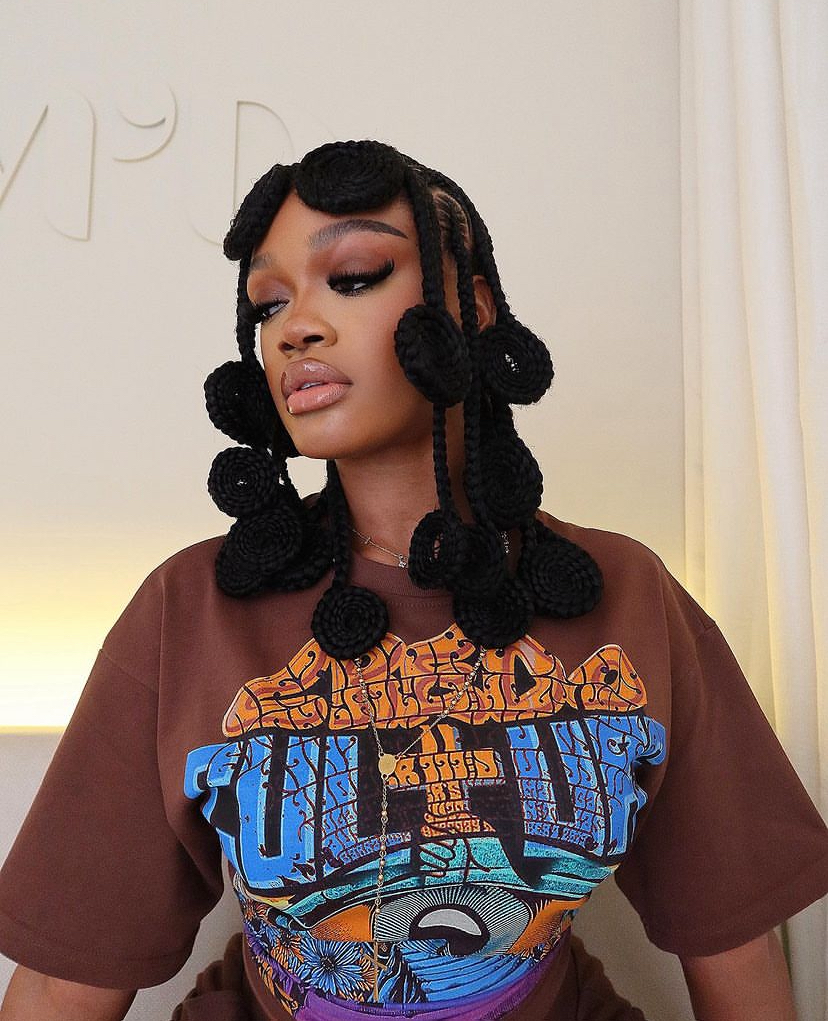
To be fair, the Koroba (also know as Basket) hairstyle has had quite an evolution. It wasn’t as inspiring when we were kids, but has now evolved fully into the crown it’s meant to be. When done beautifully—with beads, cowries, or simply immaculate braiding—Koroba feels less like a hairstyle and more like adornment.
Pick-and-Drop
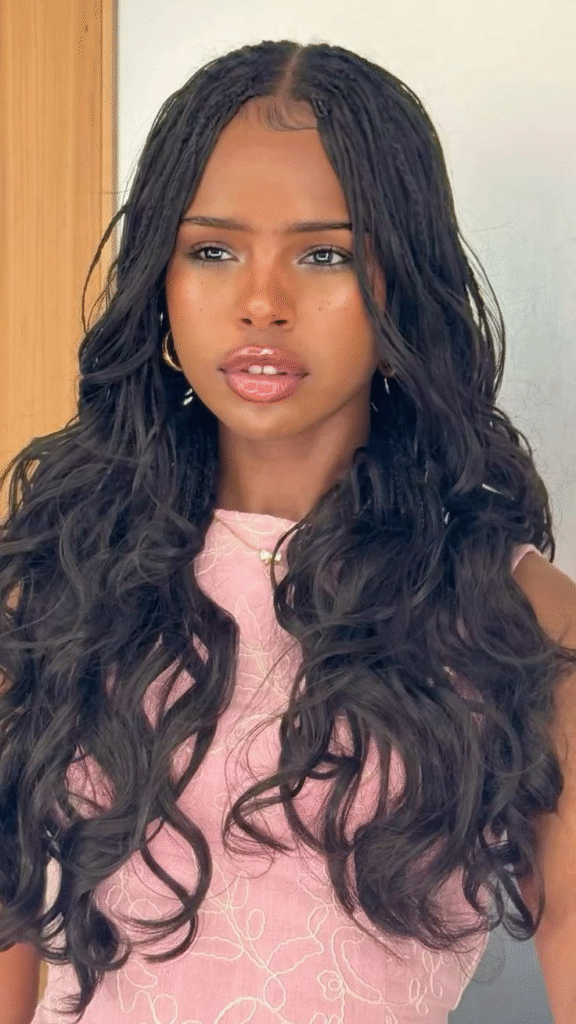
Ah yes, pick-and-drop. The hairstyle that somehow existed in the awkward space between braids and loose hair. Usually involving visibly synthetic extensions that absolutely did not match your texture, it was ambitious but slightly confusing. At twelve, we thought it looked grown. At sixteen, we thought the artificiality of the extensions looked embarrassing. At twenty-five? Somehow… chic? With new braid styles, softer textures and intentional styling, pick-and-drop has entered its redemption arc. Its several variations: Moesha braids, Zoe Kravit Braids, Tyla Braids, French Curl Braids; it’s messy in the best possible way, romantic and carefree.
The Centre-Part with Two Side Braids
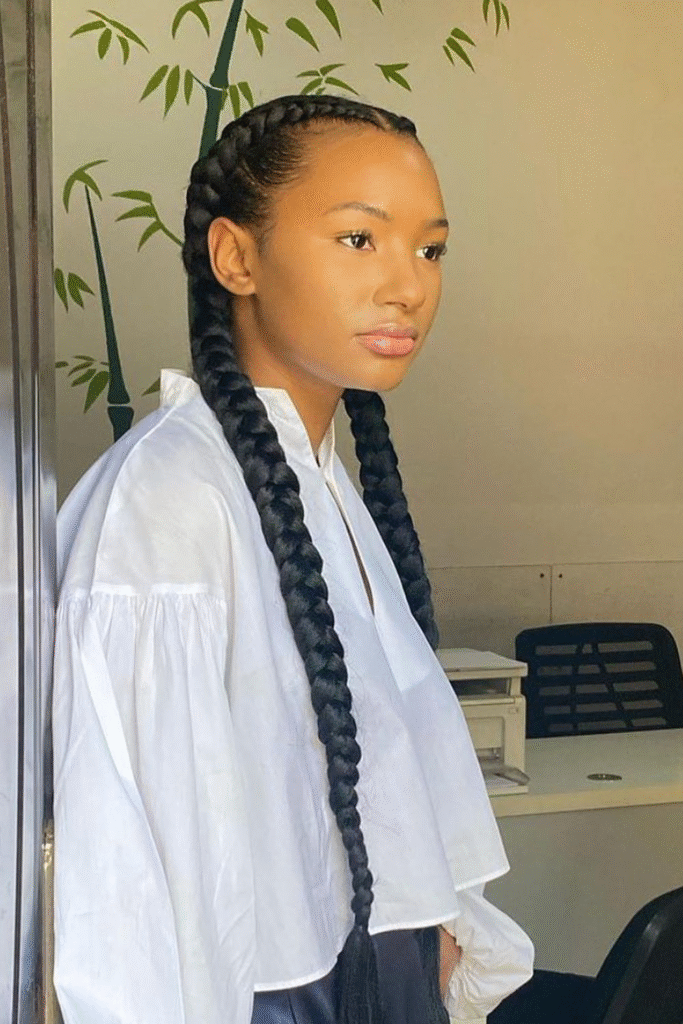
This hairstyle had one assignment: innocence. Usually paired with ribbons/hairclips, neatly ironed uniforms, and excellent behaviour, the centre-part with two side braids felt aggressively wholesome. As teens and tweens , we desperately wanted edge. Now? We understand the assignment. Minimalist beauty is back, and suddenly this once-overlooked hairstyle feels impossibly charming.
Beaded Braids
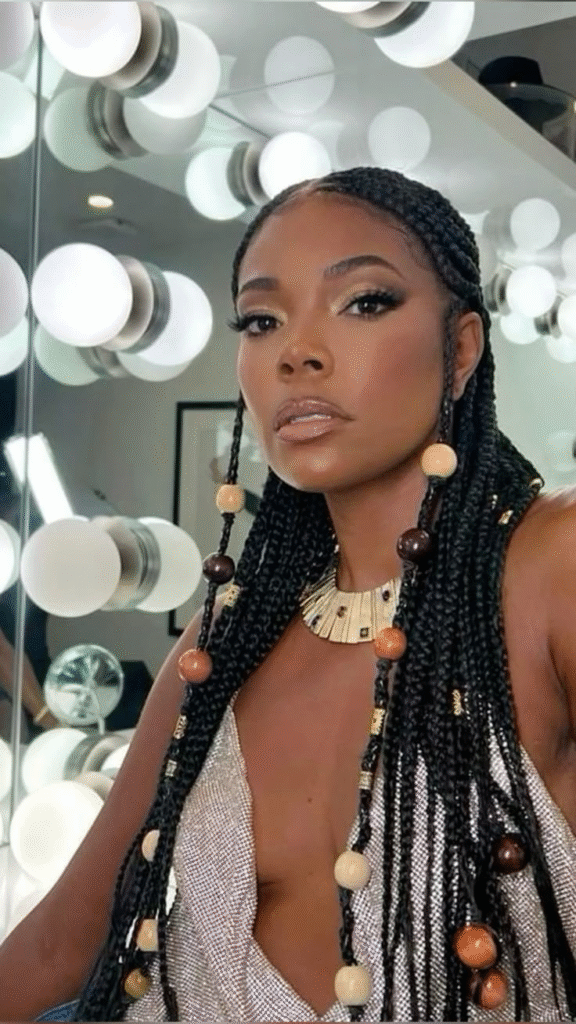
The beads were loud. Painfully loud. Every movement came with a soundtrack, and sleeping comfortably became impossible. At the time, we considered them childish. Now? They’re iconic. Beaded braids have re-entered fashion as playful, nostalgic, and undeniably beautiful—equal parts childhood memory and statement accessory.
Low-Cut Natural Hair
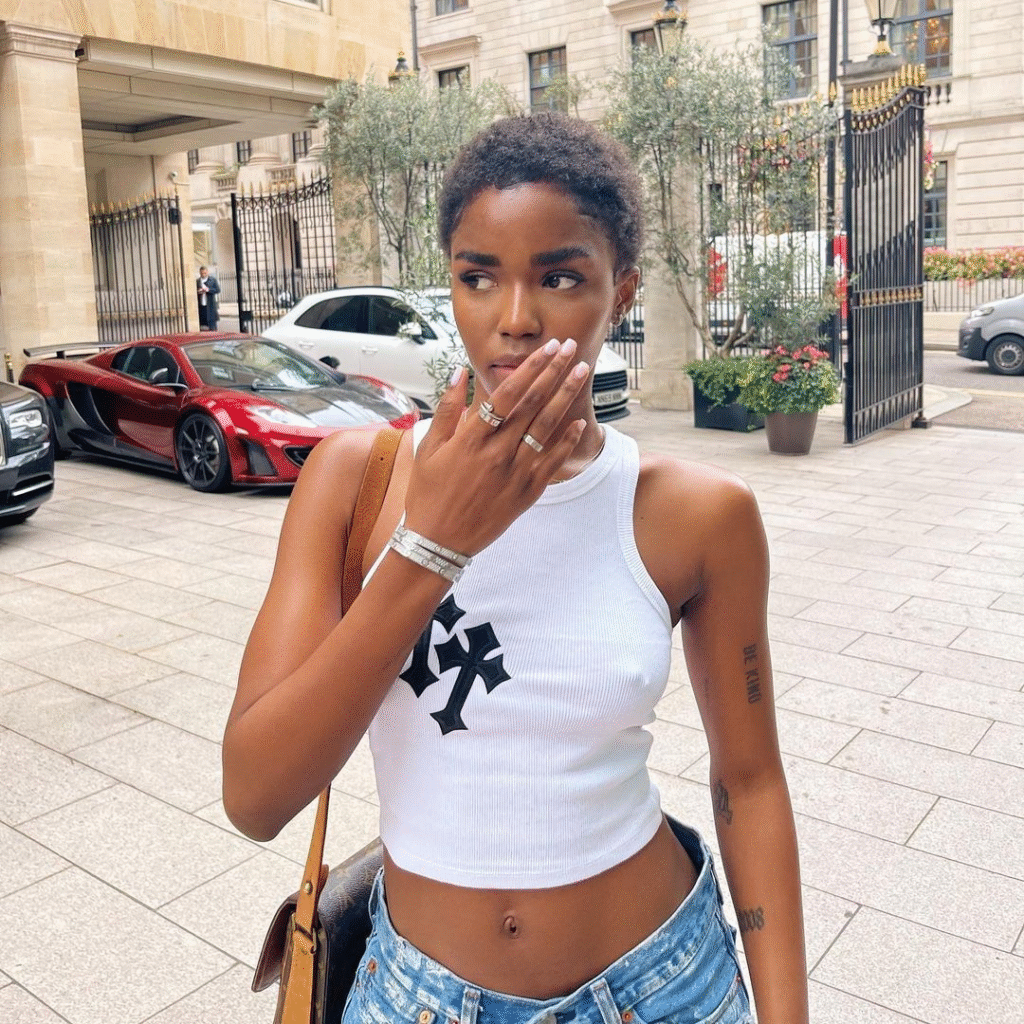
Once upon a time, cutting your hair low felt catastrophic. Too masculine, people said. Too plain. But somewhere between fashion campaigns and confident women refusing limitation, low-cut natural hair became undeniably chic. Sharp. Clean. Elegant. Sometimes beauty is simply confidence.
The Real Glow-Up Was Ours
Perhaps the real reason we suddenly love these hairstyles isn’t just nostalgia. Perhaps it’s because we finally understand what our mothers knew instinctively: beauty did not begin with imported bundles or impossible standards. It lived in the rituals we inherited. In the patience of braiding. In the artistry of patterns. In styles so culturally ours that we once mistook familiarity for ordinary. What we called local was never lacking. So yes, bring out the bundles if you must. But maybe, just maybe, your next salon appointment deserves a return to the styles that raised us. Because the truth is: Nigerian girlhood has always been editorial.