
Ashley Okoli has spent years helping other people tell their stories. Through modelling, acting, styling and creative direction, she has helped shape the visual language of Nigeria’s creative scene, building worlds, giving projects their characters and making other people’s visions feel like something you could step inside. Now, she’s telling a story of her own. With THE SOURCE, her self-published book, Ashley turns the lens inward, exploring who she has been, who she is and who she is still becoming.
Structured around three chapters — Black Fuel, The Girl with the Gun and Crude Bloom — the book is as much about identity and autonomy as it is about the messy, often uncomfortable business of growing up and growing into yourself. But there’s another story running through it, too: the desire to preserve a creative era whose history has largely lived in online archives and moments that pass almost as quickly as they happen. In documenting herself, Ashley is also documenting a community, making THE SOURCE both a personal archive and a record of a culture still finding ways to tell its own story.And perhaps that’s what makes the book so interesting. It doesn’t attempt to present a finished version of Ashley, or suggest that becoming yourself is something you eventually get right. Instead, it leaves room for contradiction, mistakes, reinvention and the freedom to keep changing your mind.
In this conversation, she reflects on the experiences that shaped her creative instincts, the Lagos that both challenges and fuels her, what the alté generation has gained and perhaps lost over the years, and why some stories deserve to exist beyond the fleeting nature of the internet. She also talks about self-publishing, creative freedom and learning to embrace the person she is still becoming.
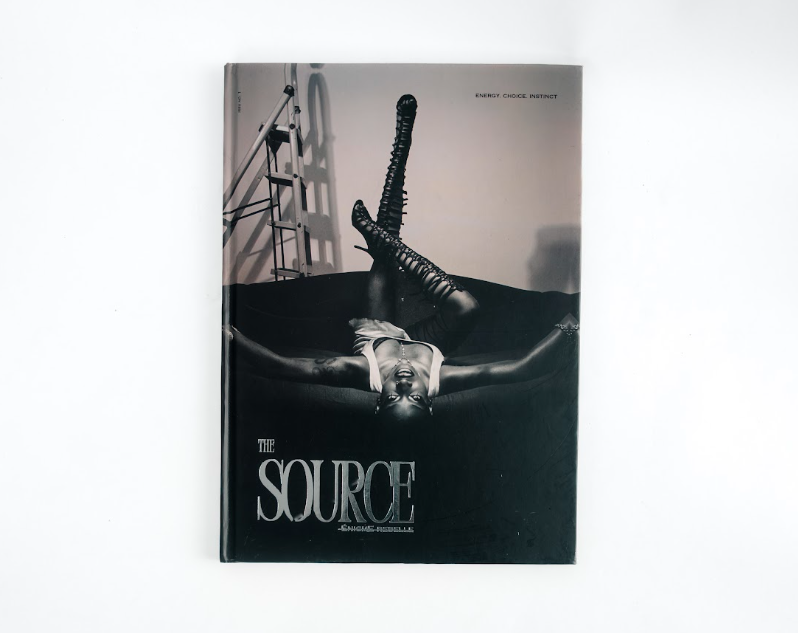
You’ve spent years helping other people bring their visual worlds to life. What made now feel like the right time to tell your own story with THE SOURCE?
In every career I’ve pursued or talent I’ve explored, I like to believe I’ve always been the author. THE SOURCE just solidifies all I’ve been putting out over the past years.
I just knew I wanted this part of my journey immortalised, and it just happens to be the first time I’m exploring a different medium of expression.
And because so much of Lagos’ creative history exists in photographs, videos and things we come across online and then move on from, I imagine there’s also something about wanting to preserve it. What do you think we stand to lose if nobody documents this era?
Everything. Creative history. My story. Our story.
I love how you’ve broken the book into Black Fuel, The Girl with the Gun and Crude Bloom — what you are, what you choose and what you’re becoming. Now that you’ve actually made the book, do those three ideas mean anything different to you?
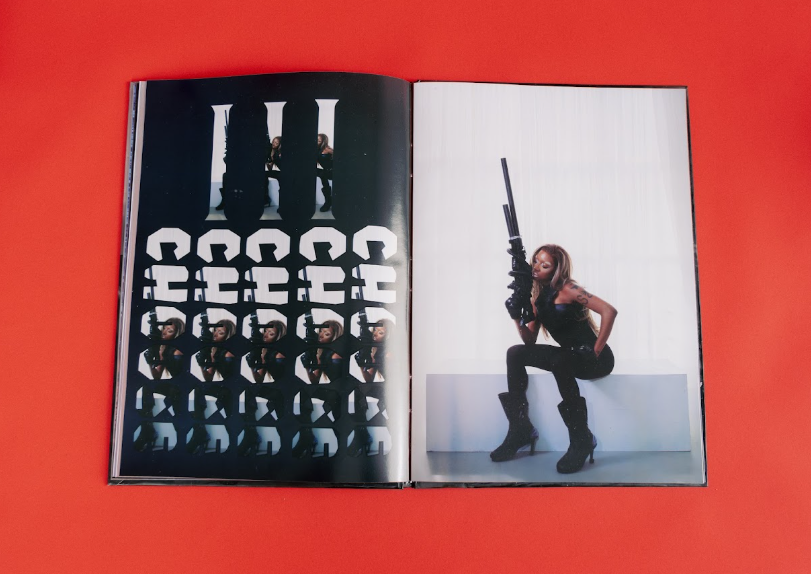
THE SOURCE doesn’t just start and end with this one issue; it’s my story. A map of me, and that’s what makes these three chapters feel even more relevant now.
Black Fuel is what I am — the parts of myself that exist before I make a choice. My identity, my instincts, my history, my environment, the things that make me me. The Girl with the Gun is what I choose — the autonomy to decide what I do with all of that. To choose for myself, to take risks, to make the wrong decisions, to make the right ones, and to live with and learn from both. And Crude Bloom is what I’m becoming — but I don’t think becoming is something that ever ends. That’s probably the biggest thing making THE SOURCE has taught me. I see them as three things I will keep returning to for the rest of my life. I will always be what I am, I will always have to decide what I choose, and I will always be becoming something.
So the book isn’t really a finished story or a final version of me. It’s a lesson I want to carry forever — a reminder to stay connected to myself, trust my autonomy, allow myself to make mistakes, learn from them, and keep growing without feeling like I have to arrive at some final version of who I am. THE SOURCE is me, but it’s also the map I made for myself that hopefully inspires someone out there.
That idea of being your own source is interesting, especially when you’ve spent so much time helping other people tell their stories. What do you think has shaped your own creative voice the most?
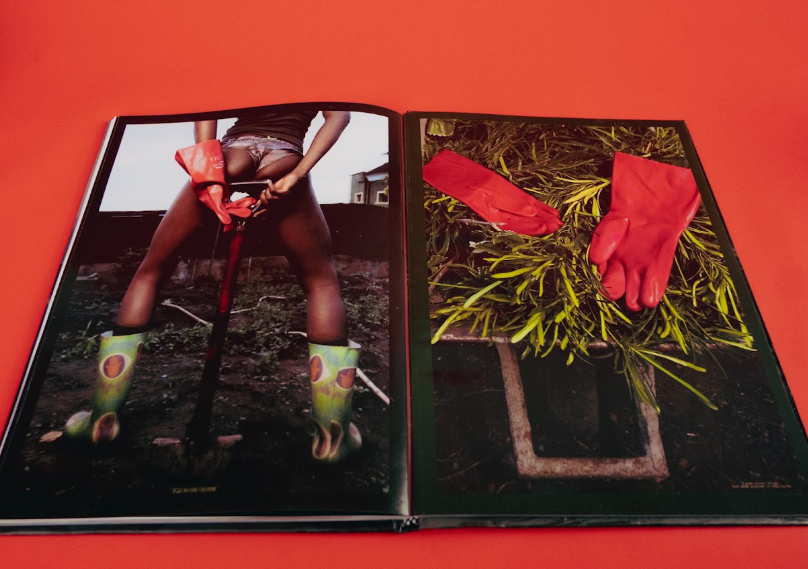
A lot of my vim comes from my upbringing of “You can’t do that”, “Is this how you will end up in your husband’s house?” etc. I love proving to myself that I can do the hardest things. I’m impulsive, I’m fun. Most importantly, I love a good story building.
That makes me think about how much of your work plays with self-expression and refusing to fit into what people expect of you. When you’re telling a story through images, how much of it is about how you look, and how much is about making sure you get to tell your own story?
Visual storytelling has always been my forte, with creative direction, styling and even filmmaking. As for claiming authorship over how I’m seen, I’ve never really dwelled on how I’m being perceived. I think that’s one of the things that makes me so authentically myself.
When it came to making THE SOURCE, did your creative director brain kick in at all? You’re so used to building characters and worlds for other people. What was it like having yourself as the subject for once?
Haha! I wasn’t thinking as any role. This came from the deepest, rawest, most untainted parts of Ashley Okoli. I wasn’t creating a character or trying to give myself a story. I was allowing myself to exist inside my own story, completely vulnerable and unfiltered.
I feel like Lagos has to be part of that story, too. It’s shaped so much of the creative community you’ve been part of. What has living and creating here done to the way you see the world?
Lagos is a double-edged sword for me. It constantly tells me what I can’t do, but somehow gives me even more reasons to do it anyway.
Okay, we need a soundtrack for this book. What song are we playing while someone flips through THE SOURCE?
Omg! So many! I’m going to have to make you a playlist haha!
Please do! On the subject of music and creative communities, you’ve been around since the early alté days. Looking at how much things have changed, what do you miss about that era, and what do you think the scene has gained since then?
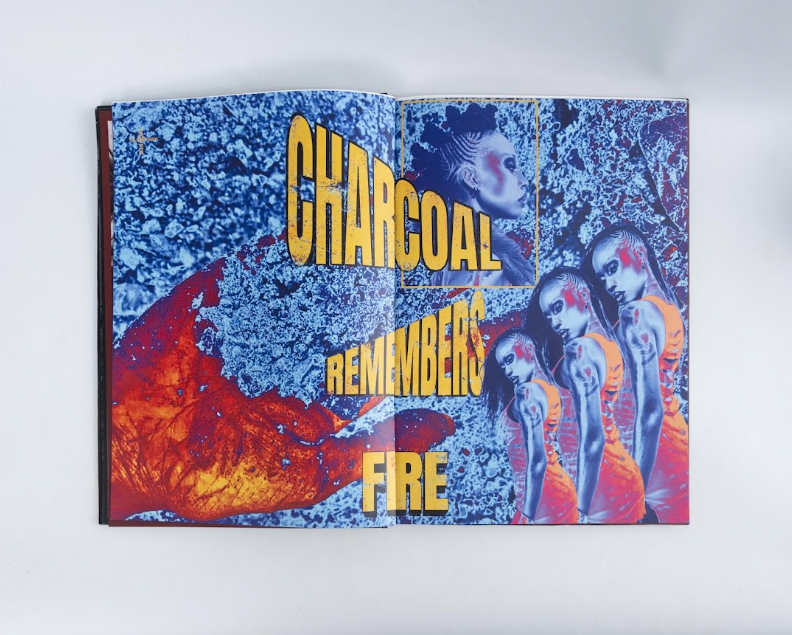
I think sooo much has changed in the past 10 years — the ’17/’18/’19 alté era was undefeated! From alté finding its way into mainstream media to the artists and creatives from that generation growing into completely different stages of their careers.
What I love the most, though, is that there are more people getting in touch with sides of themselves they didn’t know could exist. There’s more freedom to experiment, to find your people. It’s still free, still stubborn, but I’m not sure it’s as authentic as it used to be. And maybe that’s the thing that has remained stubbornly the same: the desire to exist outside of what we’re told we’re supposed to be.
Let’s talk about Crude Bloom, because I love the tension in that title. “Crude” feels raw and unrefined, while “bloom” suggests something beautiful coming into its own. Was that contrast deliberate?
Absolutely! Like a diamond in the rough (I hope I’m using this correctly haha!). Nothing really comes easy, and there’s an ugly side to growth — learning and unlearning, consistency and so much more — that people don’t really talk about. So I’m speaking specifically about the rawness and depth that come with growth.
You decided to self-publish THE SOURCE, which means you got to build the whole thing on your own terms. What has that process taught you about doing things your way? And has it been as freeing as it sounds?
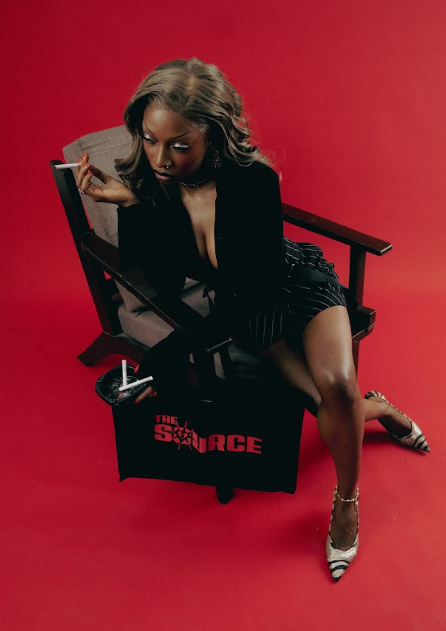
Whew! I think I’m still learning or trying to understand what all these mean. But I can tell you, there’s absolutely nothing like being in charge of your own creative process/end goal. But the one compromise that I’m sure yields amazing results is collaboration.
Okay, I have to ask you something slightly dangerous now. What’s one creative opinion you hold that could get you cancelled in Lagos?
Why are you trying to set me up? Hahaha! I would say adding creative director to your bio doesn’t actually make you a creative director.
Hahaha! I’ll leave you to deal with the consequences of that one. But bringing it back to the book, I keep thinking about how someone might come across THE SOURCE ten or twenty years from now, when this moment in Lagos’ creative history feels very different. What would you want them to understand about the people and the culture that surrounded you?
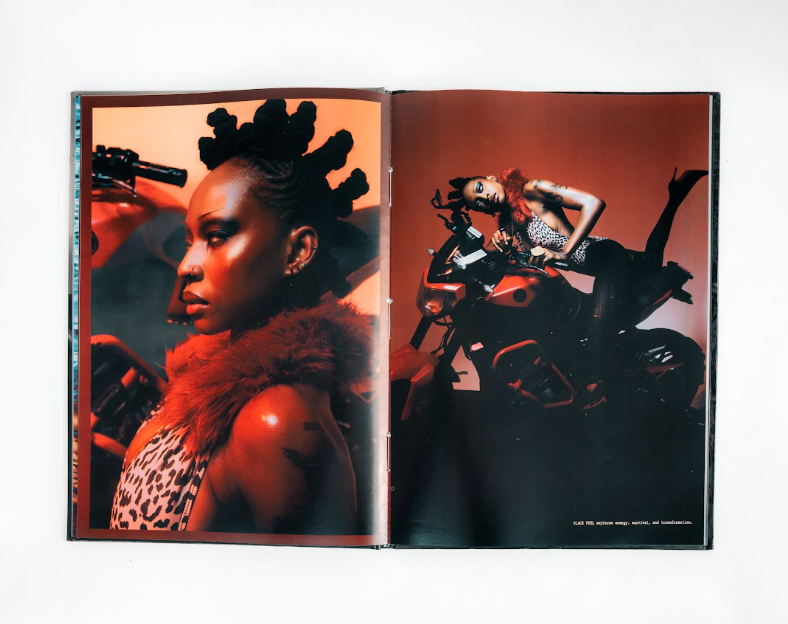
The beauty in fighting/working towards the same goal is equal to authentic stories.
And finally, if THE SOURCE captures who you’ve been and who you’re becoming, what are you hoping to bring into the world next? What should we be looking out for?
You’re just going to have to watch out for Ashley Okoli.
Get your copy of THE SOURCE here.